Install Roof Lights for Daylight Access
Brighten Your Home: The Ultimate Guide to Finding the Right Rooflight
In city settings, optimizing natural light can considerably affect the atmosphere of a property. Rooflights provide numerous advantages, from enhancing mood to increasing property value. This guide explores key considerations to take into account when choosing the perfect rooflight. It examines designs, materials, and positioning strategies that can transform interiors. Grasping these factors is vital for making informed choices. However, there is more to discover; important guidance on installation and upkeep lies ahead.
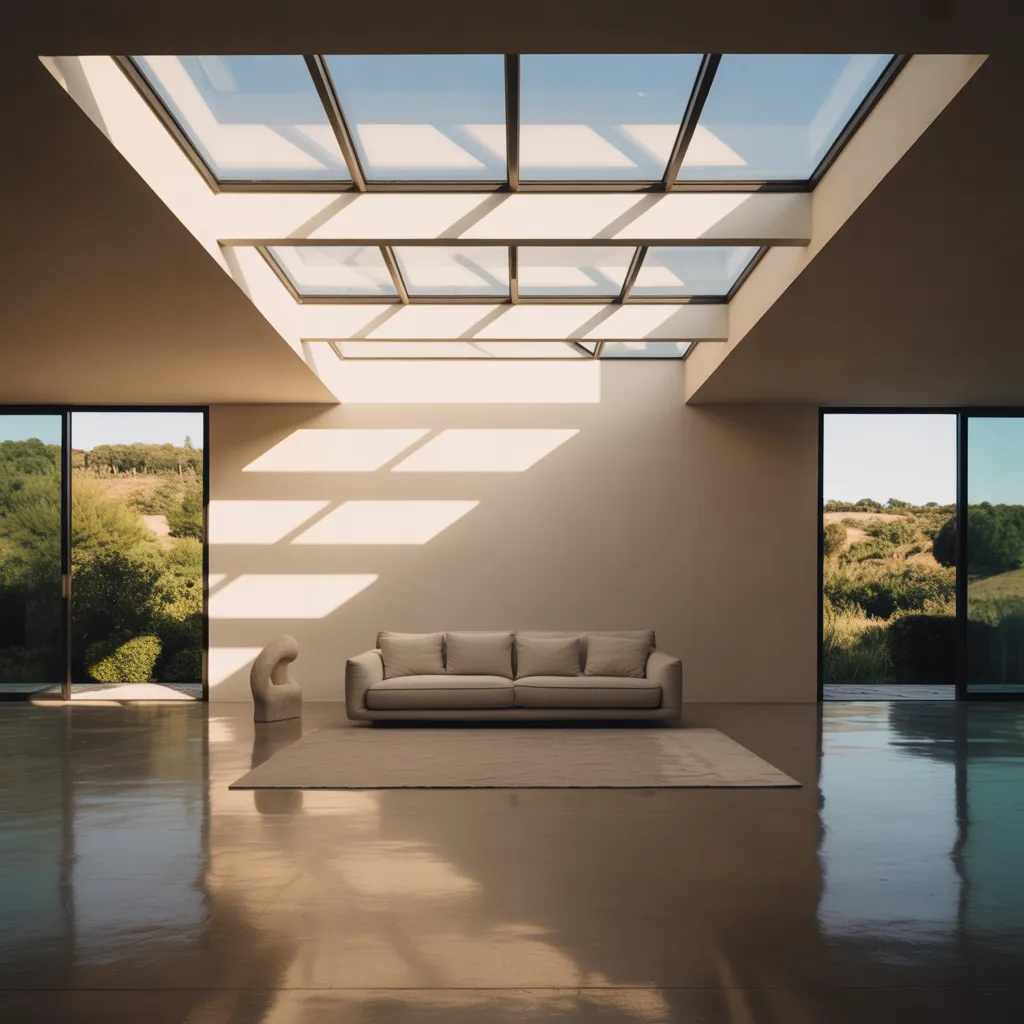
Discovering the Benefits of Rooflights
Natural light acts as a transformative force in any interior, and rooflights offer an effective solution to capture it. By enabling sunlight to pour into interior spaces, rooflights enhance the ambience, generating a feeling of openness and spaciousness. This abundance of natural light can considerably enhance mood and productivity, leaving spaces feeling more welcoming.
Furthermore, rooflights promote energy efficiency by decreasing the dependence on artificial lighting during daylight hours. This not only decreases electricity costs but also diminishes the environmental burden. Properly installed rooflights can boost ventilation, promoting better air circulation and improving indoor air quality.
In addition, rooflights can act as architectural focal points, adding architectural character and value to a building. When all is considered, the benefits of rooflight installations reach further than mere light provision; they elevate the entire residential experience and foster a healthier, more sustainable environment.
Rooflight Designs and Styles
When choosing the most suitable rooflight, you should evaluate the various styles and designs available, as every choice can profoundly affect both the look and function. Widely favoured selections include fixed rooflights, which offer a clean, modern appearance, and openable rooflights that enable fresh air circulation in addition to natural illumination. Larger, angled skylights, can establish a bold and eye-catching feature in any room.
In addition, lantern rooflights showcase a multifaceted design that enriches architectural interest while optimising sunlight. For heritage homes, arched or domed rooflights can complement traditional styles, offering a combination of practicality and elegance.
Additionally, today's designs regularly embrace frameless alternatives, find guide forming a smooth link between inside and outside spaces. Every option offers distinct benefits, making it important to pick a style that fits the broader design concept while satisfying individual lighting demands.
Selecting Long-Lasting and Beautiful Materials for Your Rooflight
Selecting the ideal materials for a rooflight impacts not just its durability but also its visual appeal. Popular materials encompass glass, polycarbonate, and acrylic, with each delivering individual benefits. Superior reinforced or treated glass is chosen for its durability and transparency, permitting natural light to stream inside while offering excellent insulation. Polycarbonate, on the other hand, is lightweight and resistant to impact, making it ideal for regions susceptible to harsh weather conditions. Its UV-protective properties keeps it clear as time passes, boosting both its visual appeal and resilience. Acrylic is yet another alternative, valued for its cost-effectiveness and adaptability, though it can be more prone to scratching than glass. When considering materials, consideration should also be given to frame options, such as metal or timber, which can enhance the overall aesthetic while maintaining structural strength. In the end, the ideal selection of materials will enhance both functionality and the visual charm of the rooflight.
How to Seamlessly Install Your Rooflight
Installing a rooflight requires meticulous consideration and precision to secure a seamless integration into the existing structure. Initially, it is important to assess the state of the roof and verify that it can support the installation. Precise measurements of both the rooflight and the opening help prevent any fitting issues.
Subsequently, trimming the roof framework must be performed with great care, adhering to the manufacturer's instructions. It is advisable to utilize protective coverings to avoid debris from infiltrating the living space.
After the opening is ready, the rooflight frame should be installed and fastened, making sure it is even and weatherproof. Proper sealing with suitable flashing and materials will prevent leaks.
Finally, interior refinement, like trim and plastering, should be applied to create a polished look. Implementing these measures guarantees that the skylight not only improves natural light but also sustains both structural integrity and overall aesthetic appeal.
Where to Place Your Rooflight for Maximum Sunlight?
What is the best way to identify the ideal placement for a rooflight to maximize natural light intake? The building's orientation plays a significant role; south-facing rooflights tend to absorb the most sunlight throughout the day. On the other hand, eastward-facing rooflights will receive the morning sunlight, while westward-facing rooflights take advantage of afternoon rays.
The pitch of the roofline also affects sunlight entry; a steeper pitch can enable more light to enter, especially during winter months when the sun is closer to the horizon. Moreover, considering surrounding structures and trees is important, as they may cast shadows that limit light access.
Thoughtfully installing rooflights in areas such as kitchens or living spaces improves the flow of natural light, contributing to a more inviting atmosphere. Taking all of these aspects into account will enable one to choose the perfect location to capture the greatest amount of sunlight, ensuring a bright and uplifting environment.
Caring for Your Rooflight: Care Tips
Maintaining a rooflight is important for its durability and performance. Establishing a routine cleaning regimen guards against dirt buildup, while routine checks for damage confirm faults are corrected without delay. By focusing on these maintenance habits, homeowners can benefit from the rewards of their rooflight for the foreseeable future.
Consistent Cleaning Schedule
Even though rooflights boost natural light and energy efficiency, they need a consistent cleaning routine to preserve their clarity and functionality. Dust, debris, and airborne pollutants can collect, hindering light transmission and compromising aesthetic appeal. Rooflights should ideally be cleaned at least twice a year, or at greater intervals in areas with significant pollen or pollution. Employing a soft cloth and a mild, non-abrasive solution keeps the surface free from scratches. In hard-to-reach spots, a squeegee or extension pole might be required. Furthermore, inspecting for dirt accumulation after storms or strong winds supports timely maintenance. Routine cleaning not only safeguards visibility but also enhances the longevity of the rooflight, securing peak performance.
Check for Damage
Routine cleaning is just one part of rooflight upkeep; checking for damage is just as essential. Homeowners should conduct routine inspections to identify potential issues that could compromise the rooflight's integrity. This includes checking for cracks, leaks, or any signs of wear around the seals. Moreover, it is important to assess the frame and surrounding areas for rust, rot, or other forms of damage. Harsh weather conditions, especially storms, can worsen damage, making prompt inspections essential. Should any problems be found, resolving them quickly can avoid more significant repairs and preserve the rooflight's performance. Routine inspections not only extend the longevity of the rooflight but also ensure optimal natural light and airflow throughout the area.
Integrating Rooflights Into Your Home Design
Integrating rooflights into home design can greatly enhance both appearance and performance. By allowing natural light to fill spaces, rooflights can create a sense of openness, making rooms feel larger and more inviting. Carefully positioned rooflights can also improve energy efficiency by decreasing the need for artificial lighting during daylight hours.
When integrating rooflights, evaluate the architectural style of the home. Modern or contemporary homes may be well suited to simple, modern designs, while classic residences might call for more decorative fittings. Positioning is key; situating rooflights over main living zones or passageways optimizes their contribution to the space.
Additionally, integrating rooflights with shade control options, such as blinds or louvres, enables homeowners to regulate light and ensure privacy. This careful combination not only improves the aesthetic appeal but also supports a practical and pleasant home environment. At their core, rooflights function as a compelling architectural element that harmoniously blends beauty and practicality.

Common Questions and Answers
What Are the Energy Efficiency Benefits of Rooflights?
Skylights improve overall efficiency by maximizing natural light, reducing reliance on artificial lighting, and strengthening insulation properties. This contributes to reduced energy usage, reduced energy costs, and a reduced environmental impact, supporting an eco-friendly living space.
How Do Rooflights Influence Interior Temperature Management?
Roof windows boost indoor thermal management by enabling natural light to penetrate, minimising the need for artificial heating and cooling. This can lead to a more stable indoor climate, enhancing comfort while possibly reducing energy usage.
Can Rooflights Assist in Reducing the Need for Artificial Lighting?
Rooflights can significantly reduce reliance on artificial lighting by maximising the entry of natural light. This boosts indoor illumination during the daytime, permitting spaces to be well-lit without placing heavy demands on electric lighting, thereby promoting greater energy efficiency.
What Building Regulations Govern Rooflight Installations?
Building regulations for rooflight installations typically include load-bearing requirements, thermal performance, and safety requirements. Compliance guarantees adequate daylight, air circulation, and energy conservation while adhering to local planning guidelines and building standards for residential or commercial properties.
Are There Any Safety Concerns With Rooflights?
Safety concerns associated with rooflights involve possible structural vulnerabilities, glass fractures, and incorrect installation. Such problems may result in accidents, water infiltration, and energy loss, necessitating careful selection and professional installation to mitigate risks.